



Marking World Alzheimer’s Day: Advancing the Fight Against Tauopathies
September 21, 2026
On World Alzheimer’s Day, Glyx Therapeutics joins the global scientific community in recognizing the collective commitment to developing therapeutic solutions for tauopathies, including Pick’s disease, rare dementias, and Alzheimer’s disease. This day underscores the scale of the challenge these neurodegenerative disorders present and the shared determination to overcome it.
A Global Scientific Effort
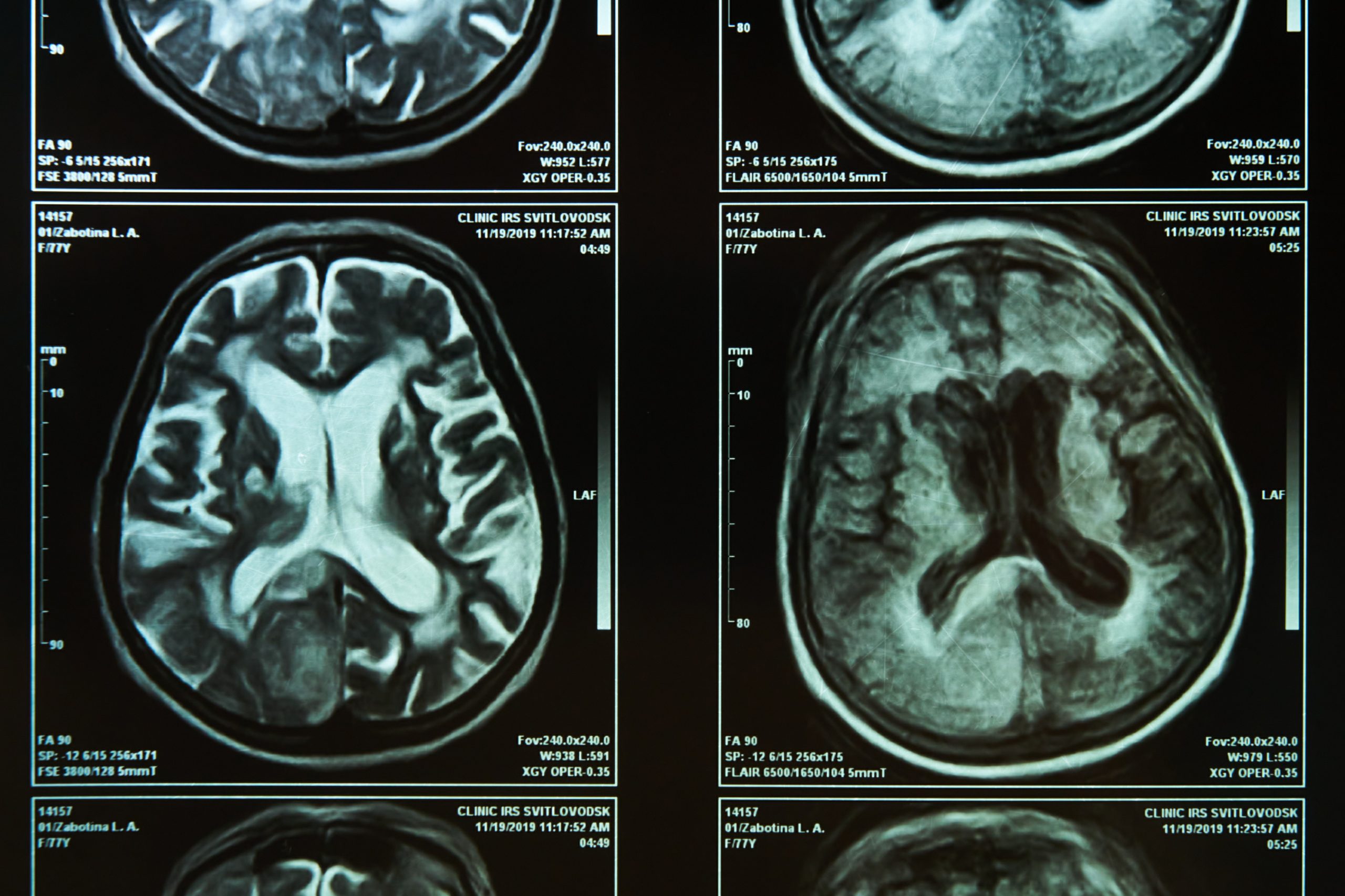
Thousands of researchers, clinicians, and organizations worldwide dedicate their work to understanding and combating these complex neurodegenerative diseases. Tauopathies share common pathological mechanisms—driven by the tau protein—yet remain among the most difficult conditions to treat, with no approved disease-modifying therapy currently available. Every advance in this field, whether from academic laboratories, clinical centers, or industry, strengthens the collective capacity to intervene effectively.

Glyx Therapeutics' Contribution
Glyx Therapeutics actively participates in this mission by developing innovative approaches that target the pathological mechanisms common to these diseases. Our research programs span Pick’s disease, rare tauopathies, and Alzheimer’s disease—the most prevalent tauopathy—with the objective of proposing a clinical drug candidate within the coming years.
Our lead candidate is a first-in-class, orally available, brain-penetrant small molecule designed to act directly on tau biology. By addressing the mechanistic root shared across these conditions, our approach aims to deliver a differentiated therapeutic option for patients who currently have none.
Promising Preclinical Data
Preclinical data from our research programs are particularly promising and support the continued development of new therapeutic solutions. Key results include:
- In vivo proof of concept established in the rTg4510 tauopathy mouse model.
- Confirmed blood-brain barrier penetration, with brain persistence exceeding 72 hours.
- A triple mechanism of action, blocking tau hyperphosphorylation, reducing tau aggregation, and lowering neuroinflammation.
- No toxicity observed in preclinical studies, supporting a favorable early safety profile.
These findings reinforce the scientific rationale for advancing our programs toward clinical evaluation.
Our Commitment
Each advance—within our team or across the broader scientific community—renews the hope of intervening effectively across the full spectrum of tauopathies. Our commitment remains complete: to contribute meaningfully to the fight against these neurodegenerative diseases and to help bring new therapeutic solutions to the patients and families who need them most.