



HAS Refuses Early Access to Lecanemab in France: What It Means for Tau-Directed Innovation
September 2025 — Amiens, France
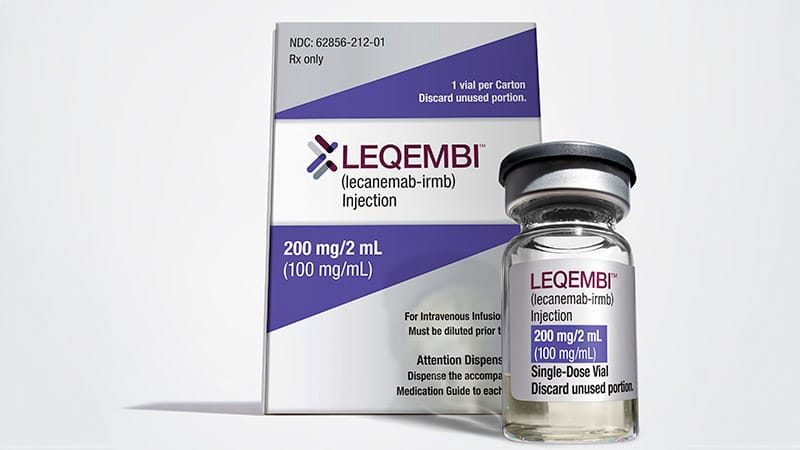
On September 4, 2025, the Haute Autorité de Santé (HAS) issued Decision n°2025.0204/DC/SEM, refusing to grant early access (accès précoce) to Lecanemab (Leqembi) in France. The decision applies to the treatment of adult patients with mild cognitive impairment or mild dementia due to early Alzheimer’s disease, non-carriers or heterozygous for the ApoE ε4 allele, with confirmed amyloid pathology. At Glyx Therapeutics, we follow this development closely, as it underscores the scientific and clinical questions that continue to shape the tauopathy and Alzheimer’s treatment landscape.
Background on the HAS Decision
The French early access program allows innovative medicines addressing serious conditions with no satisfactory alternative to be reimbursed before completion of a full evaluation. Lecanemab, an anti-amyloid monoclonal antibody developed by Eisai and Biogen, received European marketing authorization from the European Commission in April 2025 following a favorable EMA opinion in late 2024.
Despite this authorization, the HAS concluded that early access was not justified, stating that treatment implementation “can be deferred given modest efficacy, considered not clinically relevant for the disease, associated with a concerning safety profile.”

Key Reasons Cited by the HAS
The decision rests on three principal findings:
- Modest clinical efficacy. Efficacy was assessed using the CDR-SB score (Clinical Dementia Rating–Sum of Boxes), which measures dementia severity on an 18-point scale. In the Clarity-AD Phase 3 trial, patients with a mean baseline score of 3.2 saw their score increase by 1.21 points under treatment versus 1.66 points under placebo—a difference of 0.45 points after 18 months. The HAS judged this difference too small to be considered clinically relevant.
- Safety concerns. The tolerability profile raised significant concerns, particularly the risk of amyloid-related imaging abnormalities (ARIA). In the Phase 3 trial, 17.3% of treated patients presented brain edema or hemorrhage, compared with 9% in the placebo group—nearly double the rate.
- Logistical constraints. Administration requires intravenous infusions in a hospital setting with continuous MRI monitoring. The HAS described this care pathway as “highly constraining and of problematic feasibility within the current healthcare organization.”
Not a Final Decision
Importantly, this refusal is not a definitive conclusion. Lecanemab will now undergo a full evaluation by the HAS, a process that can take 12 to 18 months. A subsequent “droit commun” (standard procedure) could open the way to price negotiations between the manufacturer and health authorities and, potentially, to reimbursement in the future. The broader anti-amyloid class also remains active, with the European authorization of Donanemab and ongoing trials evaluating earlier intervention.
A Complementary, Tau-Directed Approach
The debate around Lecanemab highlights the limitations of amyloid-only strategies and the need for differentiated therapeutic mechanisms. Glyx Therapeutics is developing Mal16diS, a first-in-class, orally available, brain-penetrant small molecule that targets the tau protein—the primary pathological driver of tauopathies and a central contributor to Alzheimer’s disease—rather than amyloid plaques.
Our approach differs from anti-amyloid antibodies in several ways relevant to the concerns raised by the HAS:
- Distinct biological target. Mal16diS acts directly on tau biology through a triple mechanism of action: blocking tau hyperphosphorylation via heparan-sulfate chaperone inhibition, reducing tau aggregation into neurofibrillary tangles, and lowering neuroinflammation.
- Oral administration. As an orally available small molecule, Mal16diS is designed to avoid the infusion-based care pathway and intensive hospital logistics associated with intravenous antibodies.
- Early safety signal. In vivo proof of concept was established in the rTg4510 tauopathy mouse model, with confirmed blood-brain barrier penetration, brain persistence exceeding 72 hours, and no toxicity observed per os in preclinical studies.
Tau pathology correlates more closely with cognitive decline than amyloid burden, and clinical validation of the tau pathway has been reinforced by recent Phase 2 data across the field. By addressing the mechanistic root shared across tauopathies and Alzheimer’s disease, Glyx aims to deliver a differentiated therapeutic option—complementary to, and distinct from, current amyloid-directed therapies.
Our Commitment
Every regulatory decision and scientific debate marks a step forward for the field. The HAS assessment reflects both the urgency of the unmet need and the high bar required to demonstrate meaningful patient benefit. Glyx Therapeutics remains committed to advancing innovative, evidence-based approaches that improve care and quality of life for patients affected by Alzheimer’s disease and tauopathies, and for their families.