



Understanding Tauopathies
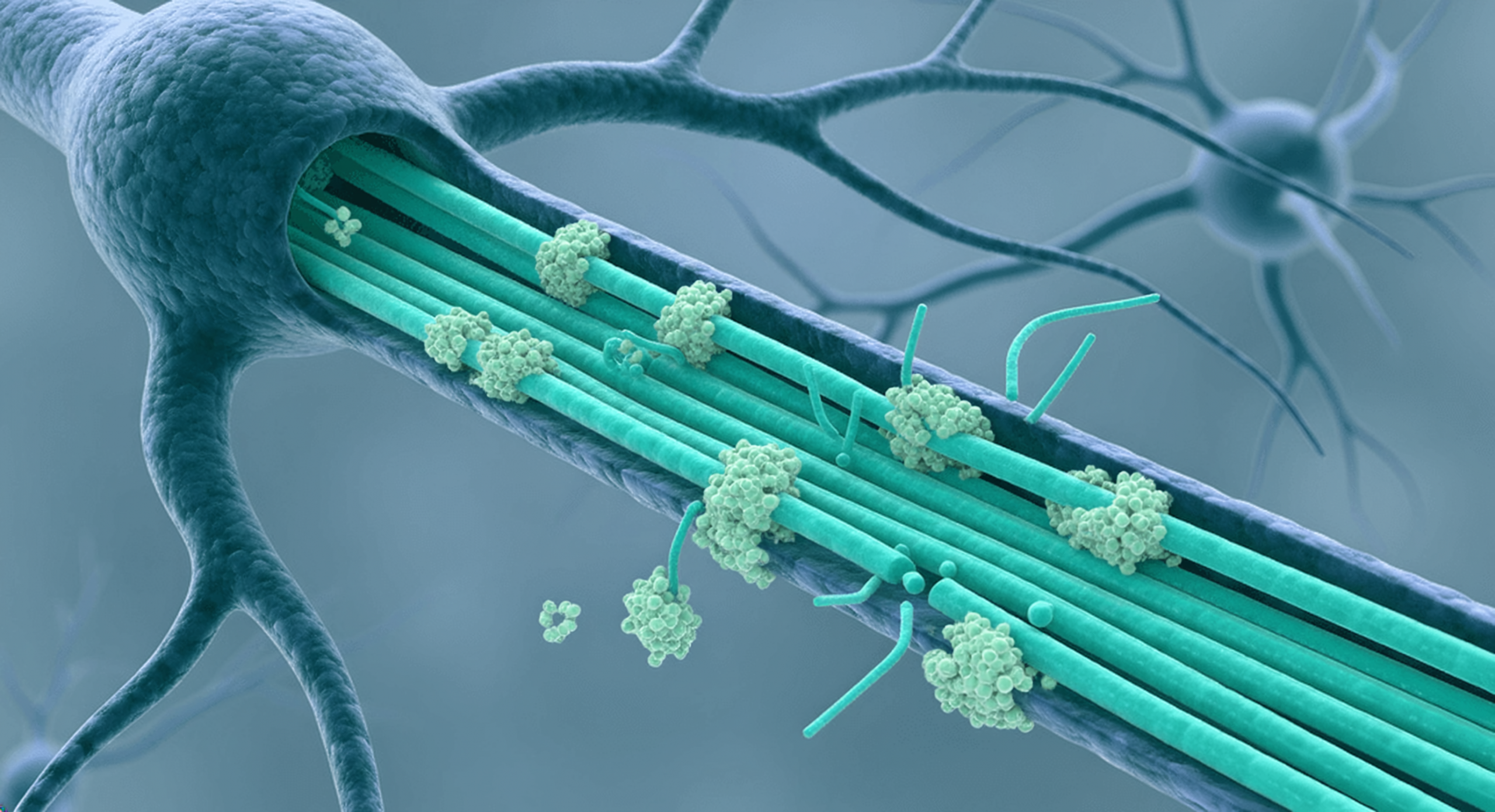
Tauopathies are a group of progressive neurodegenerative disorders defined by the abnormal accumulation of tau protein inside neurons and glial cells. In a healthy brain, tau stabilizes microtubules—the structural scaffolding that transports nutrients and signals within nerve cells. When tau becomes abnormally modified, it detaches, misfolds, and aggregates into toxic filaments. These aggregates disrupt neuronal function, spread across brain regions, and ultimately drive cell death.
This shared mechanism links a broad spectrum of conditions, from the most common form, Alzheimer’s disease, to rarer primary tauopathies that affect movement, behavior, and cognition. Because tau pathology sits at the mechanistic root of these diseases, it represents one of the most compelling therapeutic targets in neuroscience today.
The Tau Protein: A Common Thread
Tau dysfunction follows a well-characterized cascade:
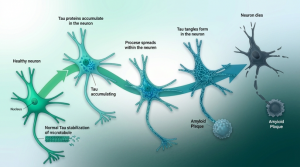
Hyperphosphorylation — Excessive phosphorylation converts healthy tau into a pathological form, causing it to detach from microtubules.
- Aggregation — Free tau misfolds and clumps into neurofibrillary tangles and filaments that impair cellular transport.
- Propagation and neuroinflammation — Tau aggregates spread between neurons and trigger a chronic inflammatory response that accelerates neurodegeneration.
These three interconnected processes make tau both a diagnostic marker and a rational point of therapeutic intervention.
Tauopathies Overview
Tauopathies encompass a group of rare neurodegenerative disorders characterized by the abnormal accumulation of tau protein in the brain. There are approximately 25 known tauopathies, 24 classified as rare diseases, 1 is Alzheimer’s disease. These conditions include both primary and secondary tauopathies, and while their clinical presentations vary, they share a common connection to impaired tau protein regulation. Some of the identified tauopathies are:
- Alzheimer’s disease — a progressive neurodegenerative disorder characterized by amyloid-beta plaques and neurofibrillary tau tangles, leading to severe cognitive decline.
- Pick’s disease — a form of frontotemporal dementia marked by behavioral and language decline.
- Progressive supranuclear palsy (PSP) — a movement disorder affecting balance, eye movement, and cognition.
- Corticobasal degeneration (CBD) — a rare condition combining movement impairment with cognitive decline.
- Frontotemporal dementia with parkinsonism-17 (FTDP-17) — a hereditary tauopathy caused by MAPT gene mutations, presenting with frontotemporal dementia and parkinsonian features.
- Argyrophilic grain disease — a late-onset tauopathy characterized by the accumulation of argyrophilic grains in limbic regions, associated with mild cognitive impairment.
- Chronic traumatic encephalopathy (CTE) — a progressive tauopathy linked to repetitive traumatic brain injury, presenting with cognitive, behavioral, and motor deficits.
- Dementia pugilistica — a tauopathy observed in individuals with a history of repetitive head trauma, clinically overlapping with CTE.
- Guamanian amyotrophic lateral sclerosis/Parkinsonism-dementia complex — an atypical tauopathy endemic to Guam, presenting with combined ALS and parkinsonism-dementia features.
- Niemann-Pick disease type C — a lysosomal storage disorder associated with secondary tau pathology and progressive neurodegeneration.
- Ganglioglioma — a low-grade neuroepithelial tumor exhibiting focal tau accumulation within dysplastic neuronal components.
- Gangliocytoma — a benign neuronal tumor associated with localized tau pathology.
- Anoxic tauopathy — a secondary tauopathy resulting from hypoxic-ischemic brain injury, characterized by aberrant tau phosphorylation.
- Subacute sclerosing panencephalitis (SSPE)-related tauopathy — a rare, fatal encephalitis caused by persistent measles virus infection, associated with neurofibrillary tau deposition.
- Parkinson-tauopathy spectrum disorders — a heterogeneous group of disorders at the intersection of alpha-synuclein and tau pathology, reflecting overlapping neurodegenerative mechanisms.
This list reflects the diversity and complexity of tau-related pathology, emphasizing the rarity and challenging diagnostic processes associated with these disorders. Continued research is essential for understanding their underlying mechanisms and developing effective therapeutic strategies. Many of these conditions qualify as rare diseases (5-10 patients for 100 000), yet collectively they represent a substantial population with limited therapeutic options
“pure” tauopathies
While both “pure” tauopathies and Alzheimer’s disease involve the abnormal aggregation of the tau protein, key differences exist between these conditions. Pure tauopathies, such as progressive supranuclear palsy (PSP) and corticobasal degeneration (CBD), are characterized primarily by tau pathology alone, with minimal or no involvement of other biomarkers such as amyloid-beta. On the other hand, Alzheimer’s disease features a combination of tau tangles and amyloid-beta plaques, making it a mixed-pathology disorder. This distinction is critical for diagnosis and treatment strategies, as therapies targeting tau alone may be more appropriate for pure tauopathies, while Alzheimer’s disease often requires a more integrated approach addressing both tau and amyloid-beta pathways. Understanding these differences helps refine therapeutic development and tailor clinical interventions to the underlying disease mechanisms.